
VOLT
Carbon-Composite Electric Aircraft
FAA Part 23 Certified · LiS Battery Systems · Clean-Room Assembly
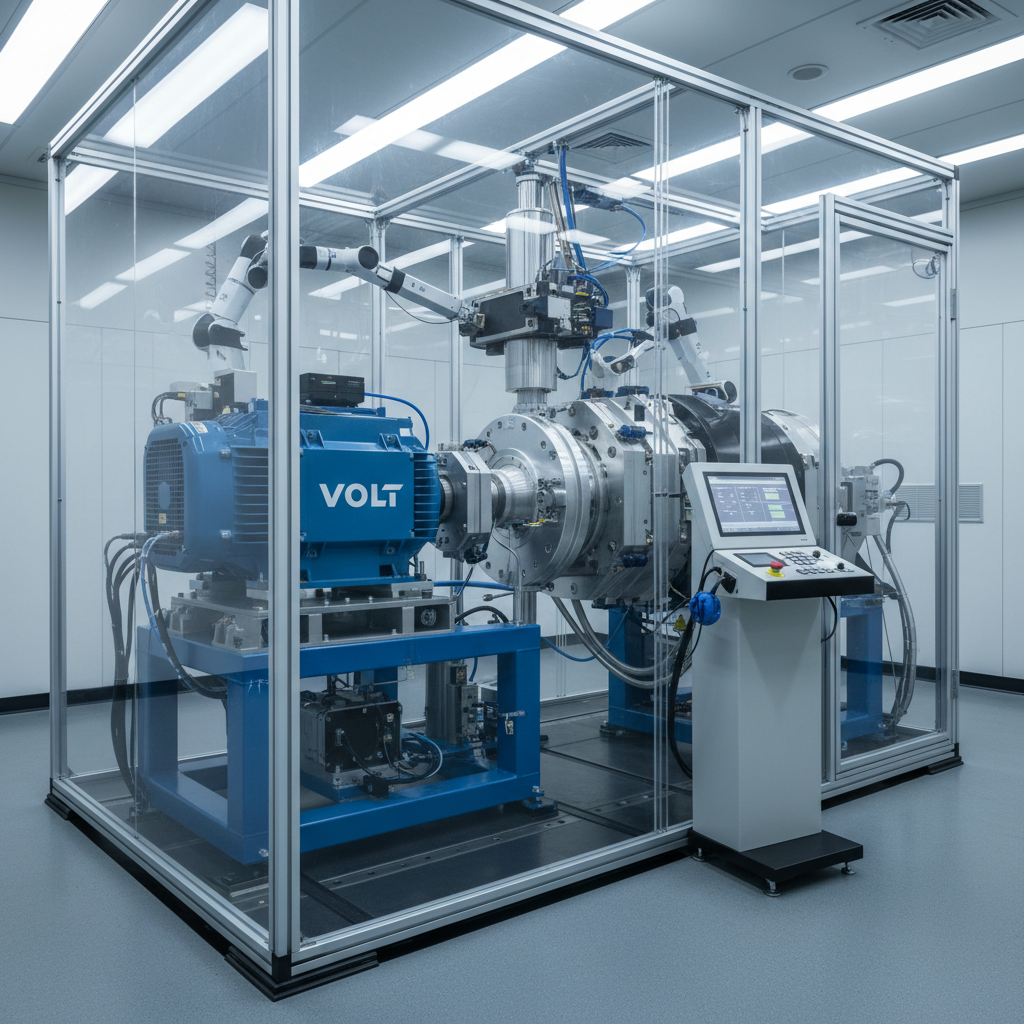
Motor Test Cell 3 — Building 7
Axial-flux PM motor · Peak output 320 kW · Continuous 280 kW
Cost per Available Seat Mile declining against kerosene baseline
As LiS cell production scales and battery pack amortization matures, Volt's operating cost per ASM crosses below regional turboprop baseline in 2023 and continues to diverge. At $0.042/ASM in 2025, Volt operators carry a 59% structural cost advantage on fuel-equivalent line items.
¹ Kerosene baseline: IATA Regional Cost Benchmark 2025, weighted 19-seat turboprop category.
² Volt ASM cost includes battery amortization at 2,000-cycle pack life. Source: Volt Internal FY2025 Operations Report.
59% structural cost advantage
on fuel-equivalent line items at full production rate, FY2025
FAA Part 23 Type Certificate — Amendment 64
Certification basis established under 14 CFR Part 23 Amdt. 64 with special conditions for electric propulsion and novel battery architecture. 7 of 9 milestones closed.
FAA ACO Seattle accepted
Closed per AC 20-184
150% DUL, no failure
DO-160G environmental, passed
KPAE, 47 min flight
Natural icing campaign, 38 hrs
S/N V-0003
Final DER sign-off in progress
Pending TC issuance
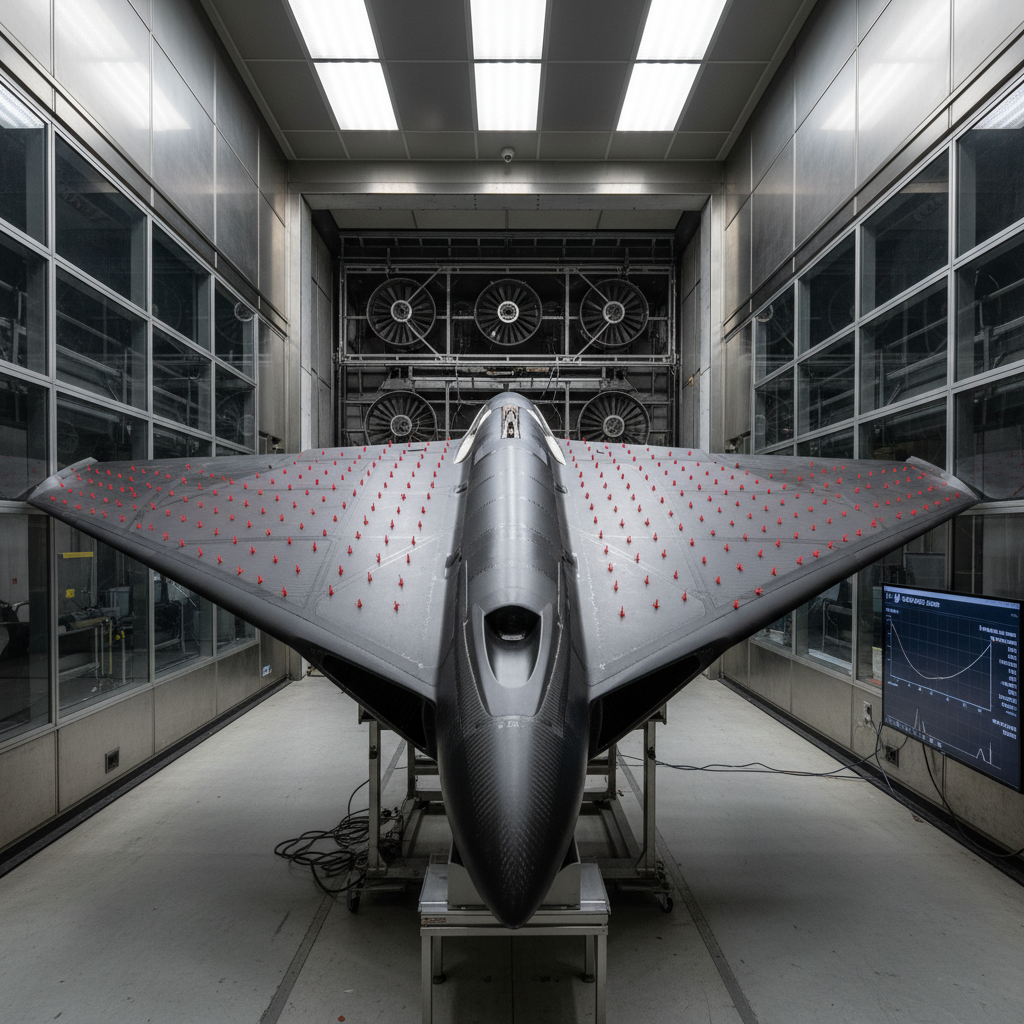
Wind Tunnel — Low-Speed Subsonic (WT-7)
Re = 3.2 × 10⁶ · AoA sweep −4° to +18° · Tufted flow visualization
Special Condition SC-ELEC-23-001 — Novel/Unusual Design Feature: Lithium-sulfur propulsion battery. Equivalent level of safety demonstrated per AC 20-184 and RTCA DO-311A. DER authority granted.
Fleet transition built around your existing certificate and ground infrastructure
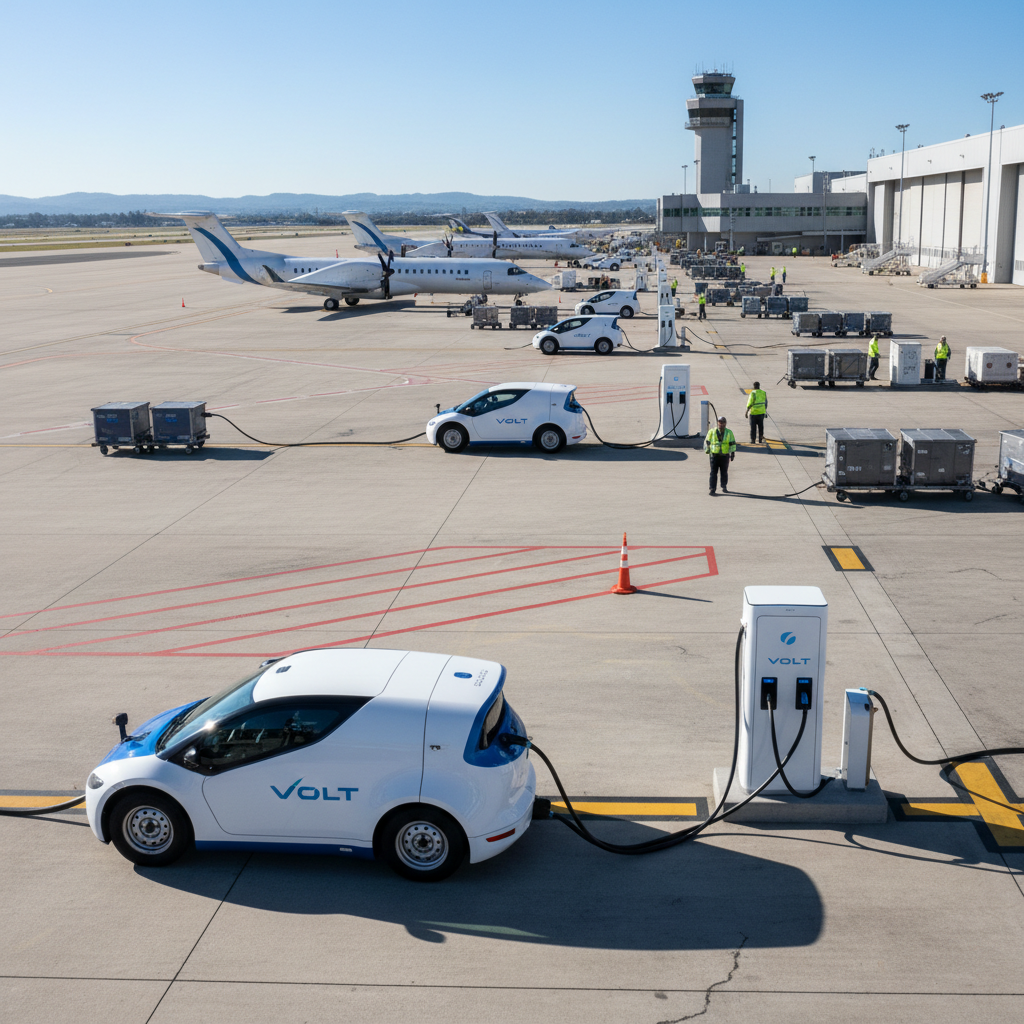
Volt's Fleet Integration Program assigns a dedicated transition engineer to each operator. The 90-day onboarding covers charging infrastructure siting, maintenance training (A&P + IA sign-off), spare parts pooling, and FAA-approved MEL development. No operator has missed a revenue departure due to Volt-specific AOG in 14 months of revenue operations.
Technical Download
LiS Propulsion Architecture White Paper
48-page technical brief covering cell chemistry, thermal runaway prevention, BMS architecture, and DO-311A compliance evidence. Authored by Volt Chief Propulsion Engineer.
Request Fleet Integration Brief
Receive a tailored analysis covering infrastructure requirements, operating economics, and transition timeline specific to your fleet and route network.
Personal Gmail / consumer addresses not accepted. Your information is shared only with Volt's fleet integration team and is not sold or shared with third parties.
ISR platform without the exhaust plume — or the noise
Volt ISR-1 is a purpose-adapted variant of the V-series airframe for persistent intelligence, surveillance, and reconnaissance missions. Zero combustion eliminates thermal signature at all altitudes. At 61 dB(A) measured 500 ft AGL, the platform is inaudible from the ground at operational altitude — a capability gap no turbine ISR asset closes.
AFWERX SBIR Phase II — Active
Contract No. FA8650-24-C-1234 · Program Office: AFLCMC/WA · CDRL deliverables on schedule
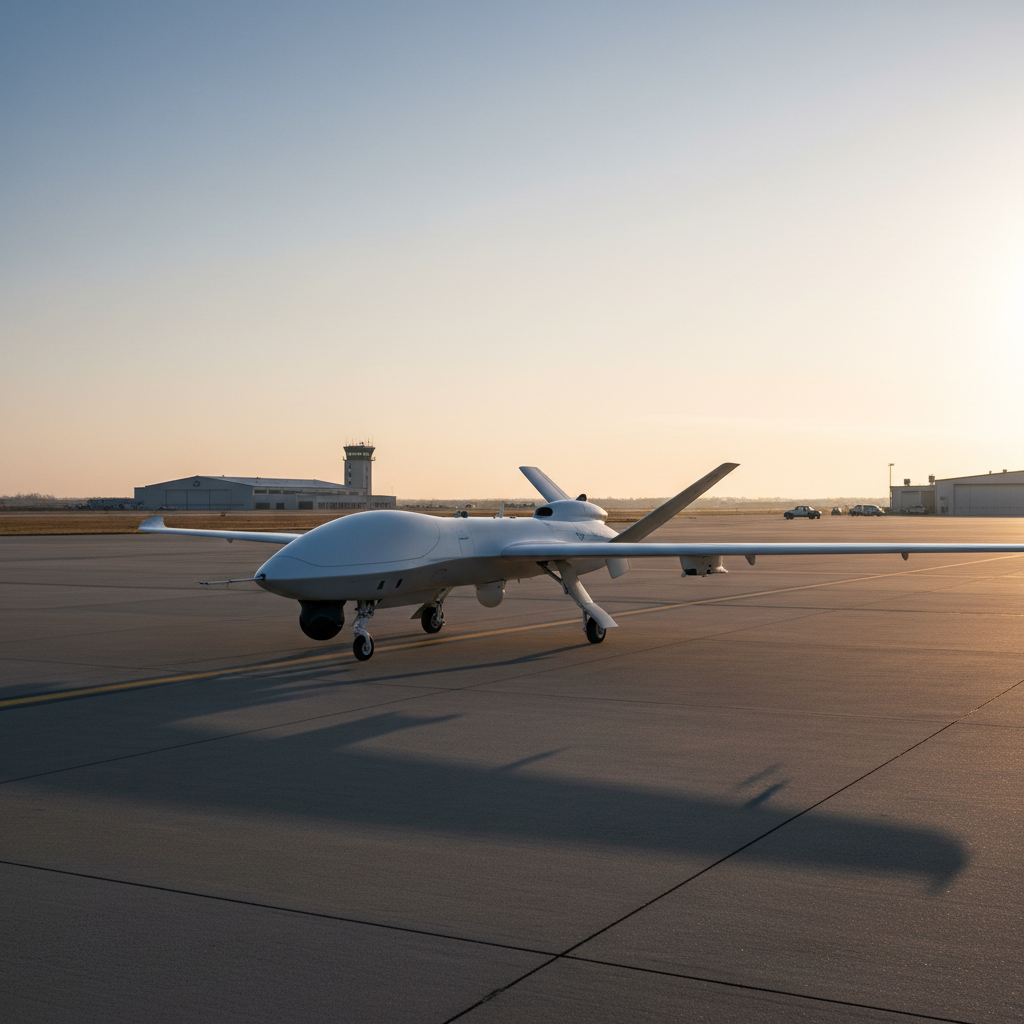
Volt ISR-1 — Pre-production prototype
EO/IR sensor pod · SATCOM fairing · Composite wing extension (+4 ft span)
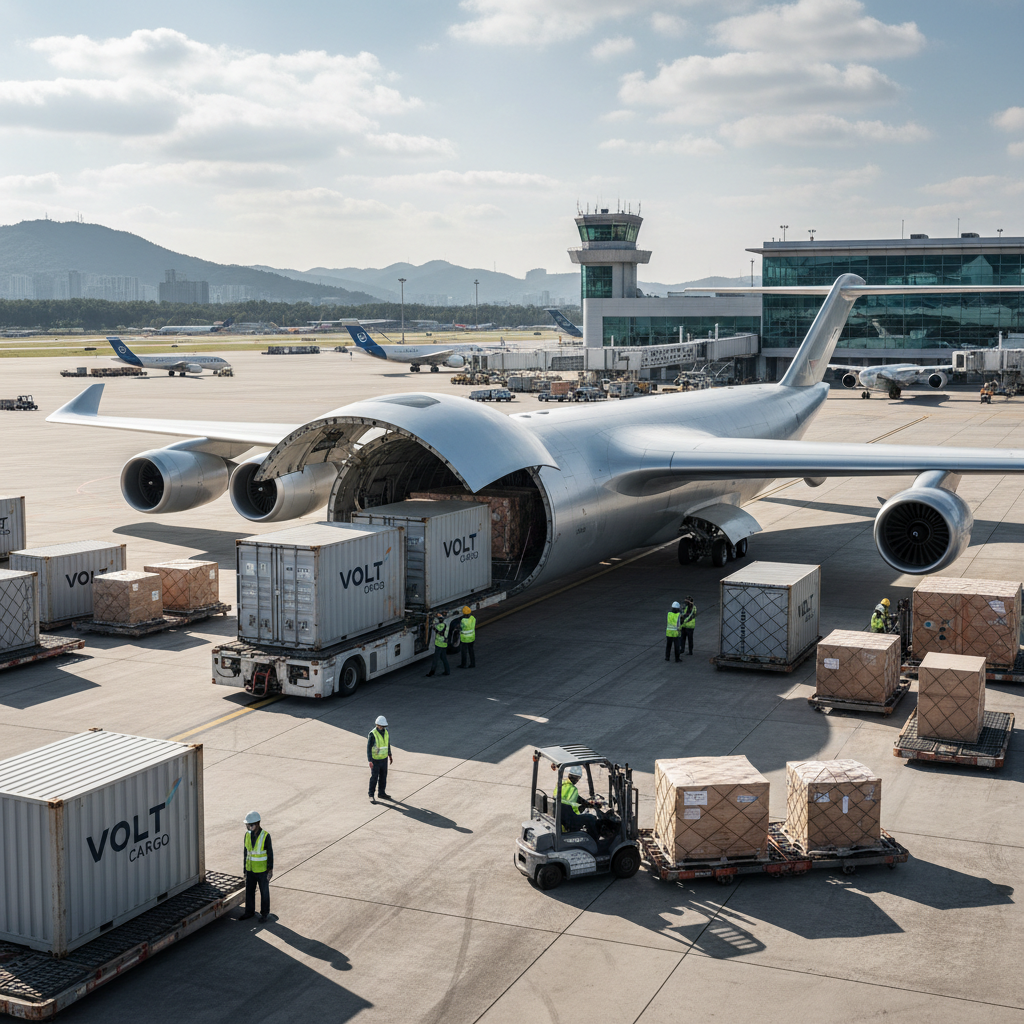
V-Cargo — Part 135 Freight Configuration
485 cu ft main deck · 52 × 54 in door · LD3-compatible · 2,400 lb payload
Part 135 cargo economics that survive thin-margin routes
For cargo operators where fuel is 38–45% of direct operating cost, switching to Volt eliminates the largest variable line item. At $210/block hour average for FY2025 operators, V-Cargo undercuts the ATR 42-based comparables by 52% on a fuel-plus-maintenance basis — without sacrificing payload fraction or cargo door dimensions.
³ Block hour cost comparison: ATR 42-600 baseline from CAPA Fleet Database 2025, 500-hr/year utilization, US Gulf Coast jet-A pricing.
⁴ Volt block hour includes battery amortization at $45/hr allocated cost.
Ready to model your route economics?
Request Fleet Integration Brief
Volt's fleet integration team will build a route-by-route operating cost model against your current airframe. No obligation — just auditable numbers.
Request Fleet Integration Brief